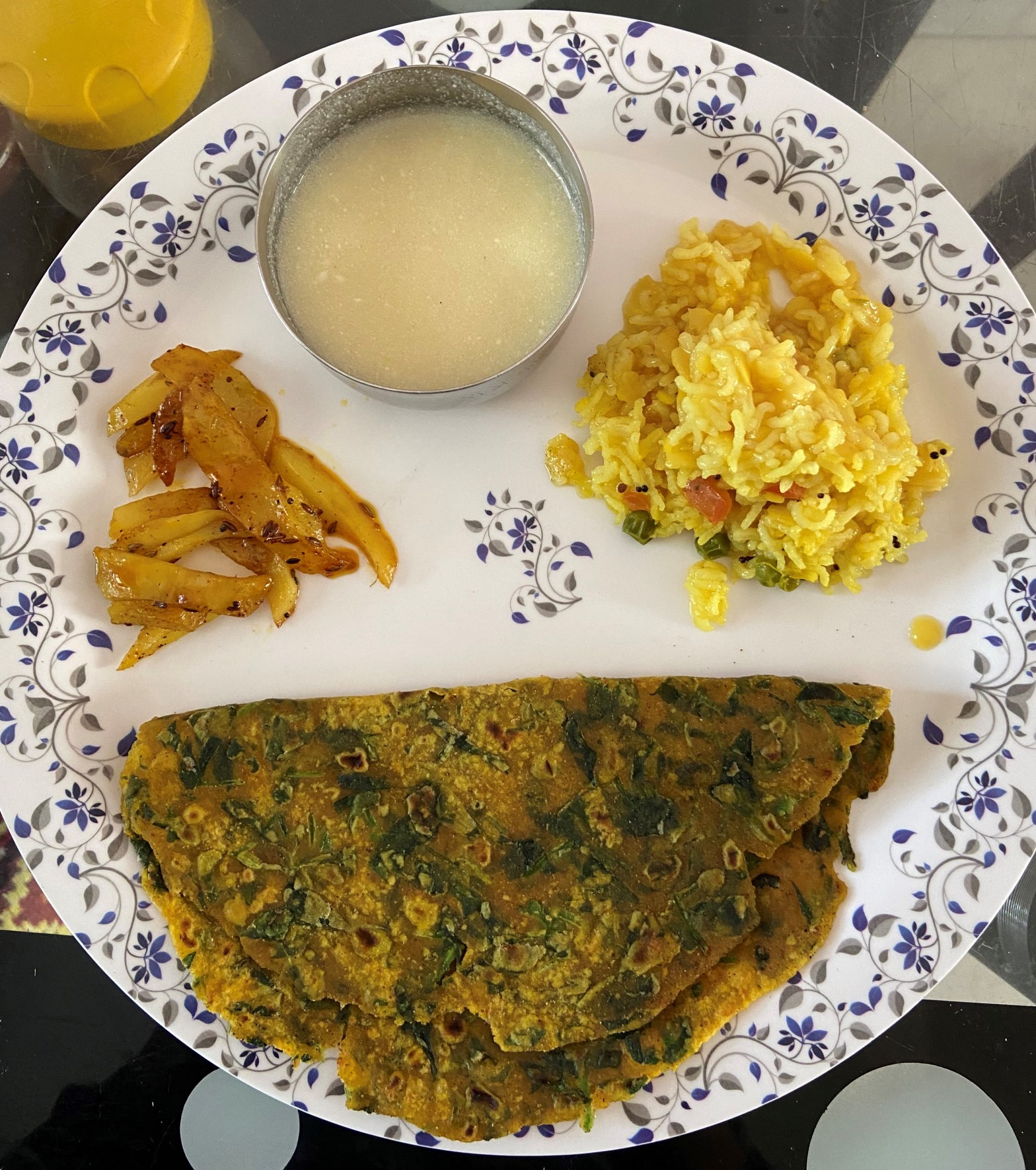
Today I read an article on the obesity issues in the world. The statistics tells us that 1 in 8 people in the world are living with obesity. Worldwide adult obesity has more than doubled since 1990. The total number of adults living with obesity has been projected to increase by more than 115% between 2010 and 2030. People attribute it to lifestyle. I feel that the reason is “abundance”.

I recall that during my childhood days, going to restaurants was very rare. Most of the food was cooked at home. Going for a “ice-cream” was a treat! The food comprised of vegetables which were washed thoroughly, not because of coated fertilizers, but because of mud on the veggies like potatoes, sweet potatoes and roots of leafy veggies. Fruits were very local, such as grapes, mangoes, guava and chikoo. Only specific fruits were eaten on specific days. Festivals were celebrated with typical foods such as laddoos, Chaklis, Burfi, Jalebi etc. These “delicious options” were not available otherwise.
While we, in India, were at this stage, around 30 years back, countries like UK and USA were in different zones. Burgers, aerated drinks, fermented foods were more popular. Fruits and veggies looked “perfect” with clean polished look. The sizes were perfect and they had this hybrid farming technology. Their fruits, however, were local too; but they additionally had mangoes imported and various type of fruits available in any part of globe were available; well, almost!
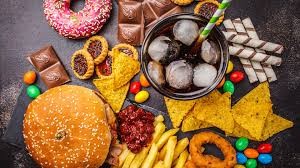
Then came the time of ultra-processed foods. These include large number of preservatives which does not allow the food to go bad. Chemical fertilizer content increased in agriculture. Hybrid and artificially cross-pollinated foods started becoming a norm. Glycaemic index of the foods was not a concern anymore. Junk food became “quick food” and as the speed of everyday life increased due to work load and travelling times, food took a secondary position. Priorities changed and hence the cooking styles. Type of oil used for cooking also changed and it became more carcinogenic and rancid.
One more parameter changed. And that is the availability of food. Every corner of the lane had a small food outlet or a restaurant. The consumers increased and prices fell down. Cheaper options were available and they were unhealthy too. Those who has lots of guavas at their disposal, wanted avocados!! And those who had avocados, wanted mangoes! This gave rise to food engineering and slowly the inorganic components in the organic foods started increasing. Milk product saw huge change and lesser the said, the better.
On another side, the jobs of people became more sedentary. Office jobs and desk jobs increased. Machine changed the industrial scenario and automation forced people to move less. Naturally, this way, the obesity creeped in. It is this stage that India stands today.
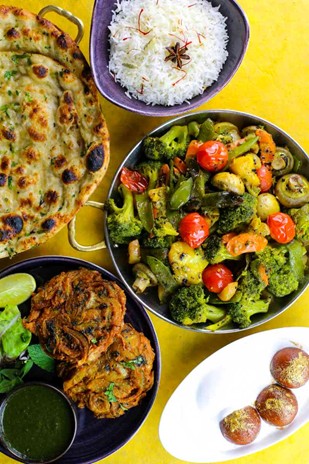
Today, after seeing the entire paradigm shift, I feel that its time to “go back to basics”. Cooking at home and having local ingredients is the key. They are grown locally and hence available fresh. They are suitable for the season and environment in which we live. Hence the digestion is faster.
As most of the European countries have realised this, the foods safety measures are taken. Advertisements of junk foods involving children are carefully scrutinized. I think it’s the same route on which everyone will go.
Abundance of anything is bad. But as long as we do not pay a price for the same, the value of simplicity and sufficiency does not come. Its time that we shift to healthier eating, sleeping and work-out habits, before we pay a price with our own body..
 Curiosities